

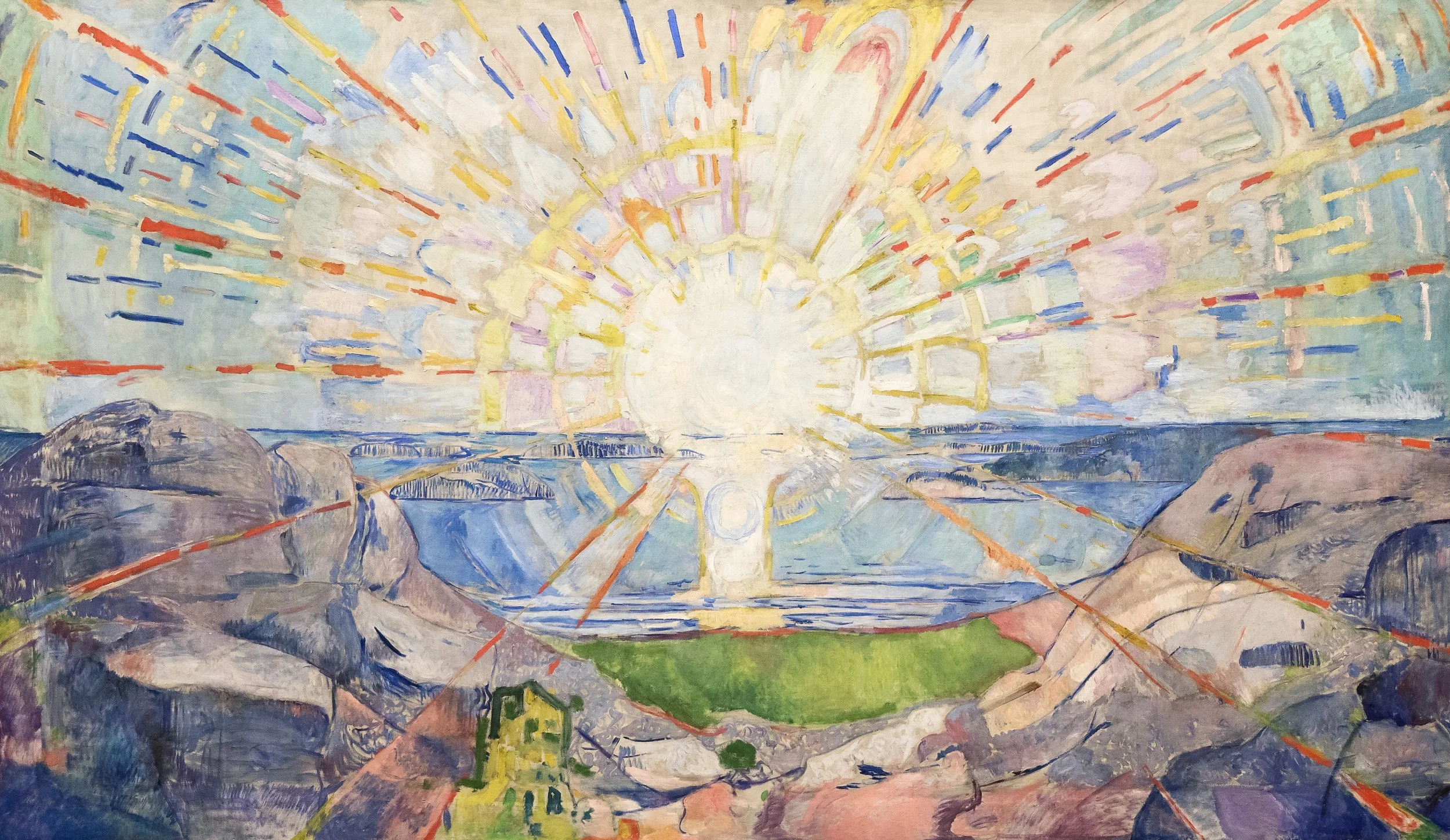
Summer Solstice | The Dayman Cometh and Goeth
The Summer Solstice marks the longest day of the year, but hidden within its light is a paradox: the moment the Sun reaches its greatest strength is also the moment the wheel begins to turn toward Winter. Join me for a look at the Oak King and Holly King, Dayman and Nightman, and the ancient wisdom that reminds us change often begins long before we feel it.

Midsummer | The Wheel of the Year
Happy Midsummer/Litha/Summer Solstice! The longest day and shortest night of the year, the Summer Solstice, is a time of celebration, reflection, and reverence. Across cultures and centuries, this radiant day has marked the zenith of the sun's power, symbolizing growth, abundance, and the triumph of light over darkness. Yet, it also serves as a reminder of the inevitable descent into shadow, inviting introspection and the embrace of life's dualities. As we honor this powerful moment, let the warmth of the sun energize your spirit, and the encroaching shadows guide you toward deeper self-discovery and growth.

Amaterasu
Amaterasu, the Japanese sun goddess, shines as a central figure in Japanese mythology and Shinto religion. Her name, translating to "shining in heaven," reflects her role as the supreme deity and ruler of Takamagahara, the heavenly realm. Born from the left eye of the primordial deity Izanagi, Amaterasu embodies the sun's brilliance, symbolizing life, growth, and fertility. Revered as the guardian of rice cultivation and purity, her shrine at Ise Grand Shrine stands as one of Japan's most sacred sites. Amaterasu’s legends, including her retreat into a cave due to her brother Susanoo’s misdeeds and her subsequent return to bring light back to the world, underscore her vital role in maintaining harmony and prosperity.